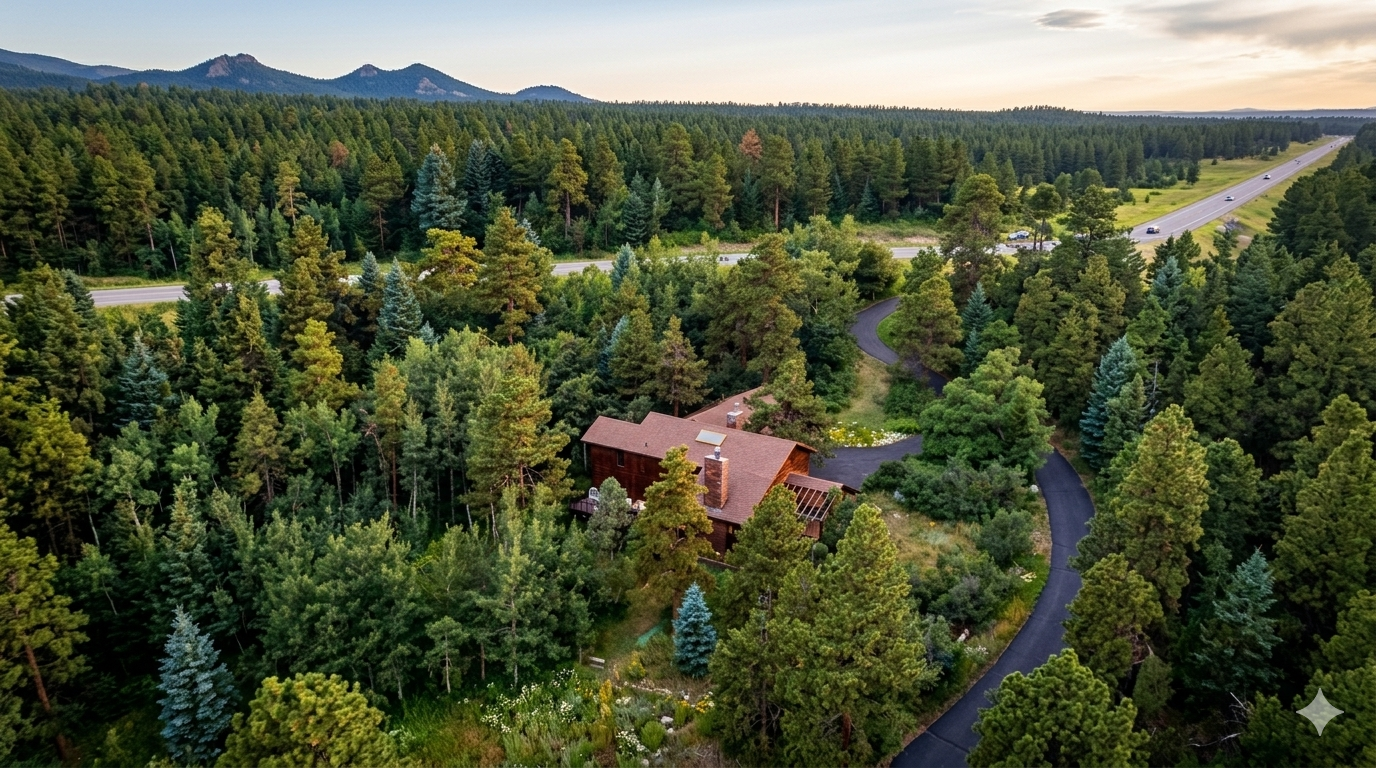
Community-Based Wildfire Resilience
Built From the Ground Up
Cascade Wildfire Service Corps partners with landowners, rural communities, youth camps, land trusts, and local governments to reduce wildfire risk through education, planning, and targeted fuels reduction on the ground.
Serving landowners, communities, and partners across Oregon & Washington
Strengthening Community Wildfire Resilience
Wildfire resilience isn’t built by any single agency or organization. It’s built by communities working together.
Cascade Wildfire Service Corps supports that effort by helping landowners and partners turn awareness into meaningful, on-the-ground action.
We focus on practical solutions that reduce risk, strengthen landscapes, and build long-term resilience.
CWSC works where wildfire risk, community need, and practical action intersect
How We Work
Education & Engagement
CWSC works directly with landowners and community organizations to translate wildfire science into practical, site-level strategies that reduce risk and build long-term understanding. Our work follows a simple, field-tested process:
Mitigation Planning
We develop site-specific mitigation plans focused on defensible space, hazardous fuels reduction, and long-term landscape stewardship.
Boots-On-The-Ground Mitigation
CWSC crews carry out fuels reduction work including cutting, piling, chipping, hazard tree mitigation, and site preparation for future ecological fire use.
THE CWSC STEWARDSHIP MODEL
Our Approach
CWSC operates through a multi-phase stewardship model designed to reduce wildfire risk while building long-term community resilience.
01
Engagement & Risk Assessment
Site visits, workshops, and consultations help landowners understand wildfire risk and identify mitigation priorities for their property or community.
02
Site-Specific Mitigation Planning
CWSC develops practical mitigation plans tailored to ecological conditions, defensible space needs, and property layout.
03
Fuels Reduction Implementation
CWSC crews perform targeted fuels reduction including cutting, piling, chipping, ladder fuel reduction, and hazard tree mitigation.
04
Long-Term Stewardship
Follow-up guidance supports landowners and communities in maintaining defensible space and managing vegetation as landscapes regenerate.
Built for Collaboration
Wildfire resilience across the Pacific Northwest requires coordinated effort across communities, land managers, and public agencies.
CWSC is intentionally structured as a partnership-driven organization. We work alongside land trusts, watershed councils, tribal natural resource departments, prescribed burn associations, local governments, and community organizations to strengthen wildfire mitigation efforts across the region.
Our role is to help translate planning into action by supporting landowners, preparing sites for ecological fire use, and expanding practical fuels-reduction capacity where it is most needed.
CWSC is designed to complement — not duplicate — existing wildfire resilience efforts across the region.
Working With Partners Across the Region
Land Trusts • Watershed Councils • Tribal Natural Resource Departments Prescribed Burn Associations • Local Governments & Emergency Management • Community Organizations and Camps
Safety & Professional Standards
CWSC field operations follow nationally recognized wildfire, chainsaw, and field safety standards to ensure work is performed responsibly, safely, and in alignment with best practices for fire-adapted landscapes.
Crew members train in alignment with NWCG standards, US Forest Service sawyer program protocols, and maintain certifications in CPR/First Aid and Stop the Bleed to support safe, effective field operations.

Wildfire Training
CWSC crew members pursue training aligned with National Wildfire Coordinating Group (NWCG) standards, including foundational wildfire behavior, fireline safety, and operational protocols.
Sawyer & Chainsaw Safety
Chainsaw operations follow nationally recognized sawyer safety practices derived from US Forest Service sawyer program protocols and established arboricultural safety guidelines.

First Aid & Emergency Preparedness
Crew members maintain certifications in CPR/First Aid and Stop the Bleed to ensure readiness in remote or field-based work environments.
PARTNERSHIPS
Work With CWSC
If you manage forested land or support community resilience, represent a community organization, or are working to strengthen wildfire resilience in your region, we welcome the opportunity to collaborate.
CWSC works alongside landowners, conservation organizations, camps, and local governments to translate wildfire planning into practical, on-the-ground mitigation rooted in stewardship, safety, and long-term resilience.
Landowners
Private landowners can work with CWSC to better understand wildfire risk, develop mitigation strategies, and implement fuels reduction that strengthens defensible space and supports long-term landscape resilience.
Community Organizations & Camps
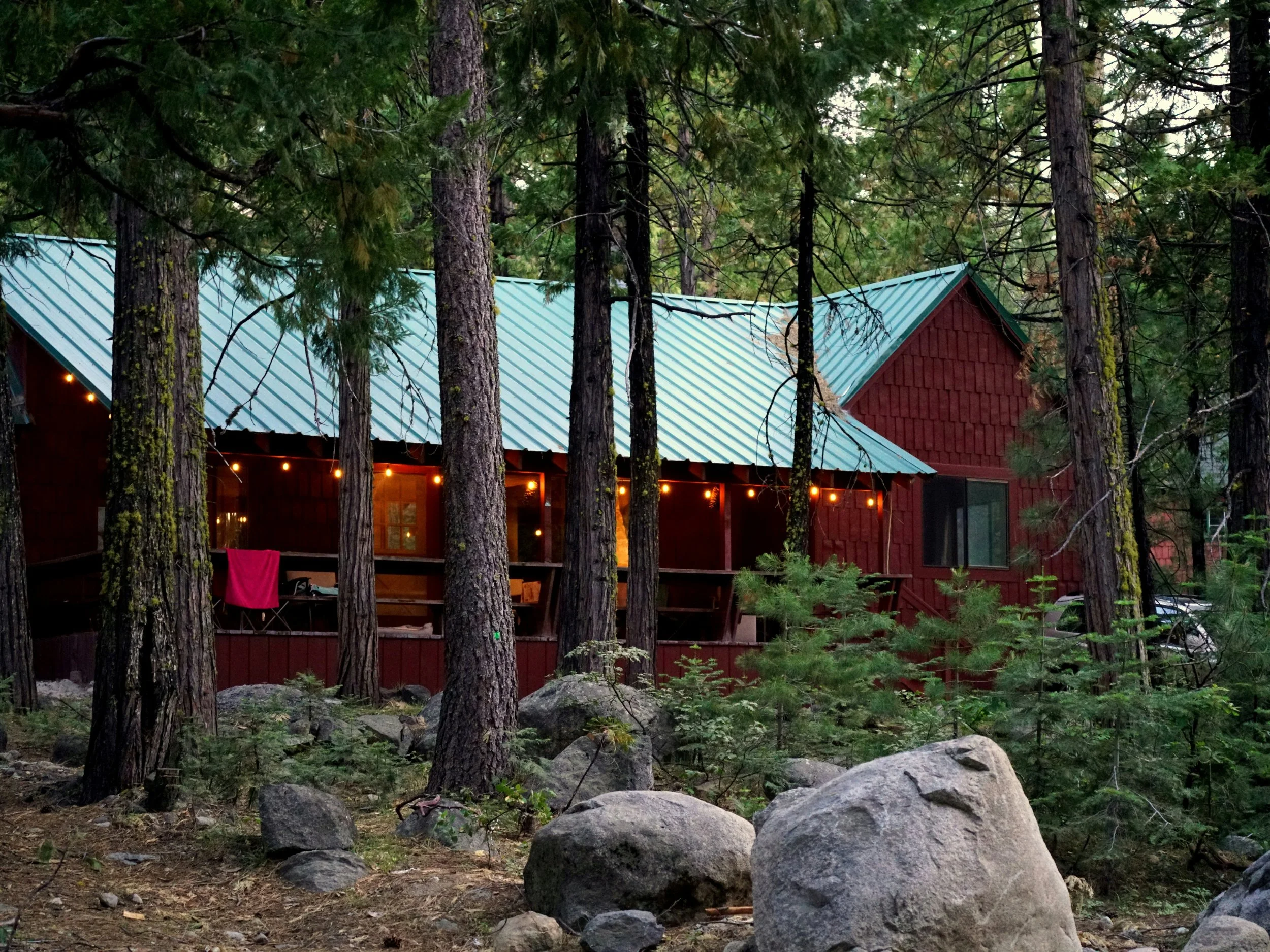
Youth camps, outdoor education programs, and community organizations often steward forested land where wildfire risk is increasing. CWSC supports site assessments, mitigation planning, and fuels reduction work that improves safety while protecting natural landscapes.
Public & Conservation Partners
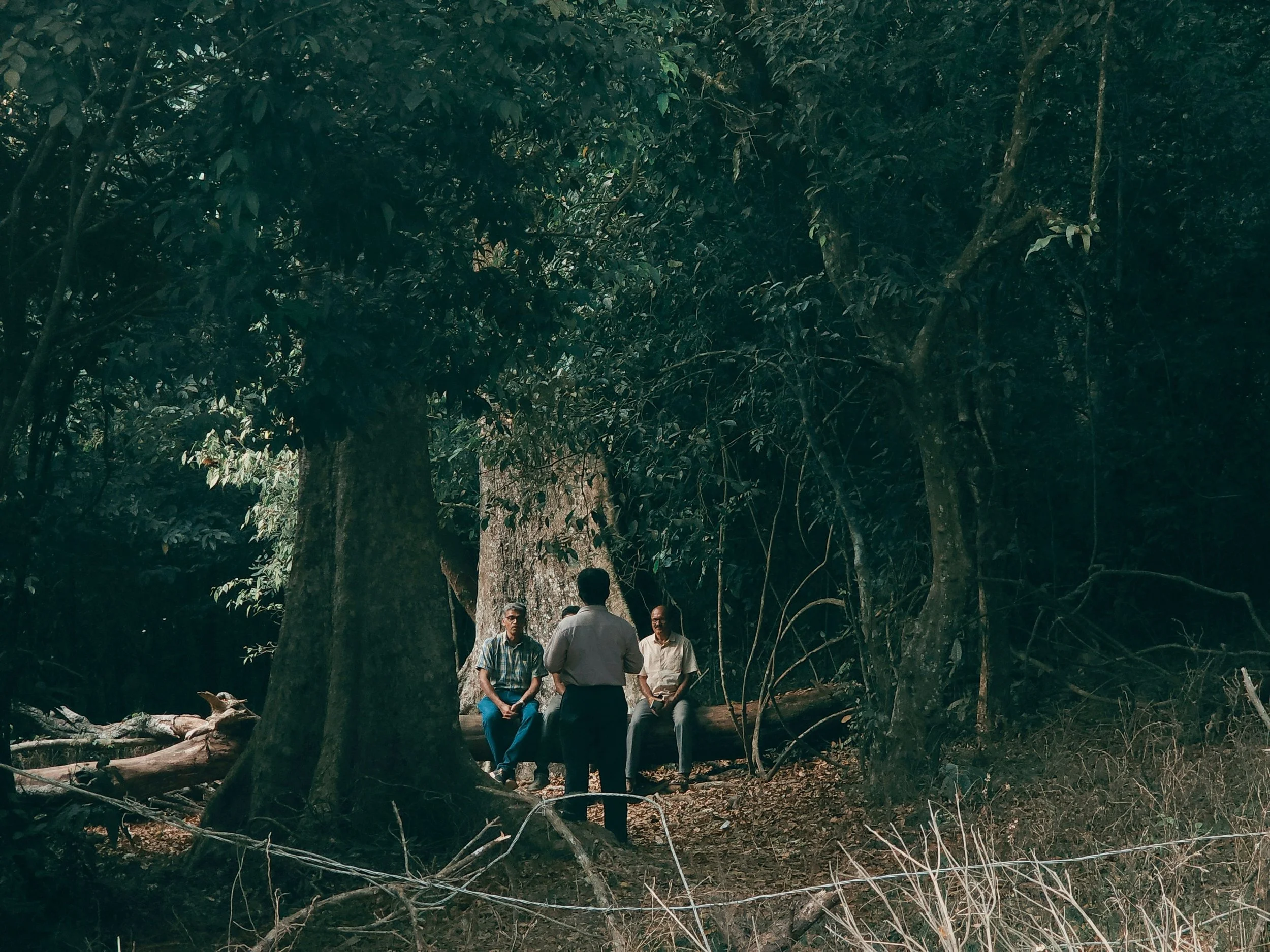
CWSC collaborates with land trusts, watershed councils, tribal natural resource departments, prescribed burn associations, and local governments to support and strengthen wildfire resilience efforts across the region.
Founder’s Note
Cascade Wildfire Service Corps was built on a simple belief:
wildfire resilience starts at the ground level — with people, with land, and with the work required to care for both.
Across the Pacific Northwest, many landowners, camps, and communities understand the risks they face.
But they lack the capacity or support to take meaningful action. CWSC exists to help close that gap.
Our work is hands-on. We assess risk, reduce fuels, and build defensible space — but just as importantly, we share knowledge along the way. Every project is an opportunity to build understanding, strengthen relationships, and support long-term stewardship of the land.
We believe resilience isn’t built through one-time projects, but through ongoing care, learning, and collaboration. That means working alongside communities, not just within them.
We’re still growing, and we approach this work with humility, curiosity, and a commitment to doing things the right way.
If this work resonates with you, we’d welcome the opportunity to connect and build something meaningful together.
No pressure. Just a conversation about your needs and goals.